
Story of
Solomon Islands
Bridging the Gaps in Vascular Care
The Solomon Islands, a Pacific nation of over 900 islands, is home to a population of approximately 740,000 people, with 80% living in rural areas.
Access to specialised healthcare services, including vascular care, is evolving, with the National Referral Hospital (NRH) in Honiara serving as the country’s only tertiary facility. Diabetic foot infections, peripheral arterial disease, and venous insufficiency are among the common vascular conditions seen at NRH, often leading to limb amputations and prolonged hospital stays.
To assess the current state of vascular care and identify areas for improvement, Global Vascular Companionship (GVC) conducted its first vascular needs assessment mission to the Solomon Islands from 17–23 November 2024. This initiative, undertaken in collaboration with NRH’s surgical and medical teams, aimed to support the hospital in strengthening its approach to vascular disease management.
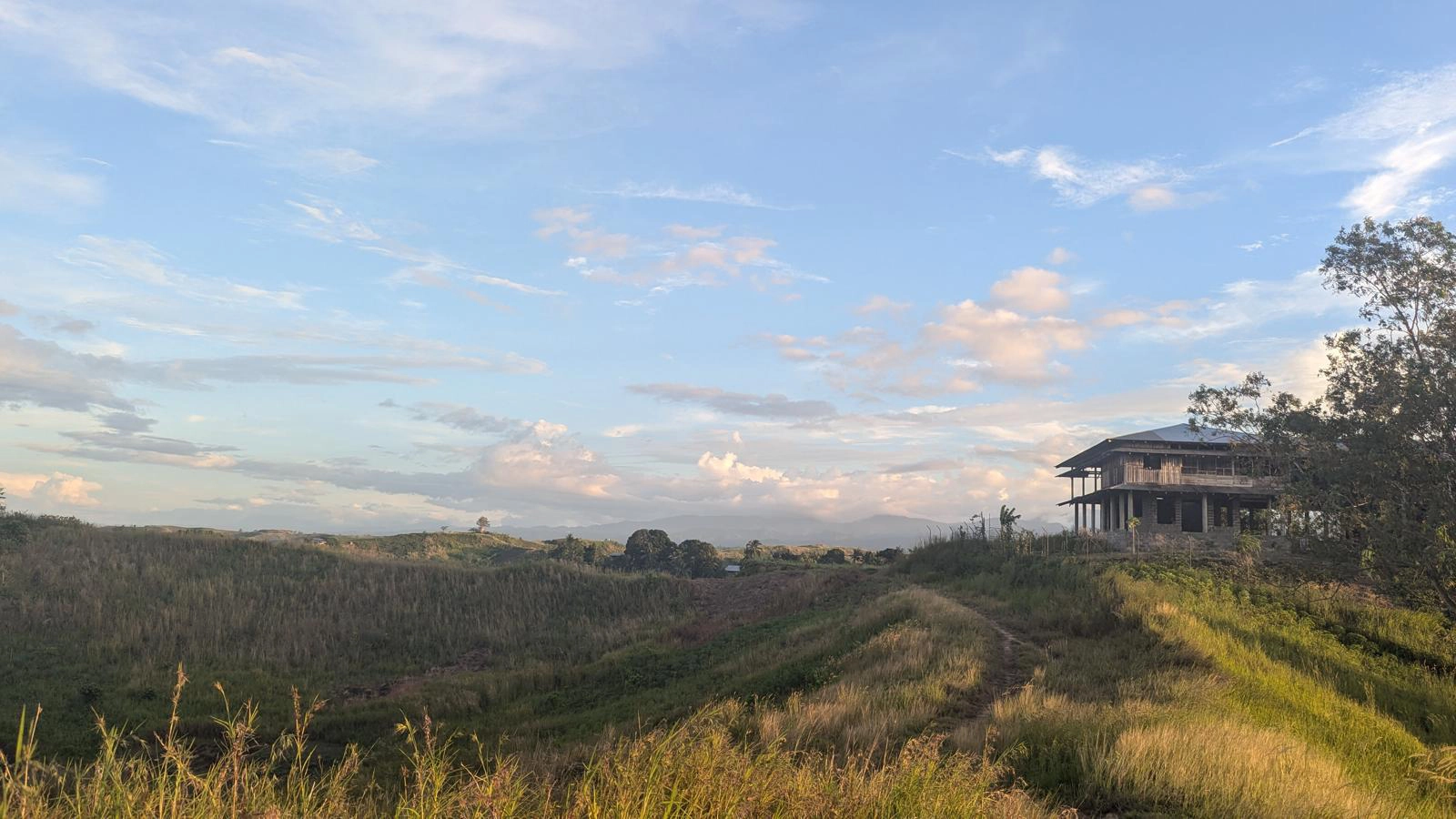
A view of Honiara, the capital of the Solomon Islands, as seen from outside National Referral Hospital.
The Challenge: A Rising Burden of Vascular Disease
The assessment highlighted the prevalence of vascular conditions in the Solomon Islands, with three of the top four causes of death— ischemic heart disease, stroke, and diabetes—linked to vascular disease. While NRH provides essential surgical services, dedicated vascular imaging and treatment options remain limited.
- Diabetic Foot Disease: A leading cause of major limb amputations. Many patients present late, leading to prolonged hospital stays averaging 90 days, with some remaining for up to a year due to recurrent infections and wound complications.
- Limited Vascular Care: At present, vascular ultrasound and diagnostic imaging services are minimal, and vascular surgical procedures are largely limited to amputations, venous ligations, and trauma management.
- Geographic and Financial Barriers: With 80% of the population living outside Honiara, accessing specialist care at NRH is challenging and costly.
- Lack of Surgical Training & Equipment: General surgeons manage most vascular conditions with limited instruments and resources, primarily focusing on infection source control and wound management, rather than revascularisation procedures aimed at limb salvage.
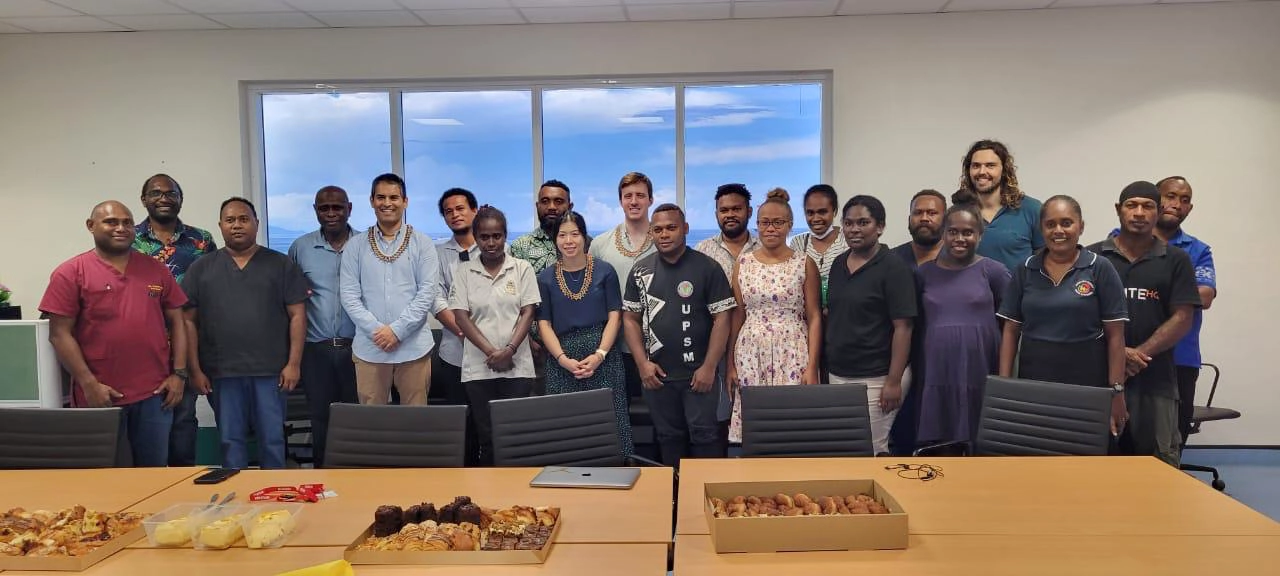
The team from Global Vascular Companionship and National Referral Hospital, Honiara following a week of collaborative efforts in training, surgical education, and needs assessment to advance vascular services in the Solomon Islands.
Organisational Strengths
Leadership
NRH has a progressive culture of excellence in leadership. The current and recent generations of medical leaders within the organisation have shown a commitment to growing the health service in a sustainable way, and addressing any perceived shortfalls in service delivery, including in the area of vascular surgery.
Clinician Engagement
Key executive and department heads within the organisation are engaged in the delivery of health services to the local community and strive to provide the best and most efficient care possible with resources at hand. This engagement exists across development of both infrastructure and clinical service development. NRH clinicians have a strong focus on collaboration with the establishment of the Solomon Islands & Australian Clinical Care Network, a forum which brings together clinicians providing health services in the Solomon Islands.
Skills Advancement
NRH has a track record of engaging with international teams, including RACS, to elevate the level of skills offered by the health service to the local community. In addition to a regular program of surgical speciality visits to NRH to offer training to staff and operative care to patients, NRH staff have recently undertaken two visits to health care facilities in Victoria, Australia, namely Barwon Health and Northern Health. These teams of NRH clinicians, focussed on providing diabetic foot care to the patients in SI, have undertaken a 3 week detachment to contemporary vascular surgery centres in Australia with a focus on taking back further skills and knowledge in foot care for diabetic patients with and without ulceration.
Our First Mission: Building a Foundation for Change
In November 2024, GVC volunteers Dr Shrikkanth Rangarajan (Vascular and Endovascular Surgeon, Melbourne), Kellie Le (Vascular Podiatrist and Discharge Coordinator, Melbourne) and Tony Crowe (Vascular Sonographer, Melbourne) conducted a comprehensive needs assessment and introduced key vascular interventions at NRH.
Key Achievements from the Mission:
- First vascular outpatient clinic at NRH, where patients were reviewed for aortic disease, diabetic foot complications and venous insufficiency.
- First endovenous ablation and sclerotherapy procedures for patients with advanced venous insufficiency.
- Vascular anastomosis training workshop for NRH surgeons, introducing fine suture techniques for vascular trauma and bypass cases.
- First vascular ultrasound training sessions, equipping sonographers with skills in lower limb arterial Doppler and carotid artery scans.
- Stock donations, including dressings, compression stockings, and sterile surgical gloves, and other essential vascular consumables.
- Vascular surgical instruments audit – Conducted an assessment of vascular instruments available at the NRH operating theatre complex, identified gaps, and outlined key vascular surgical instruments required to enhance procedural capabilities.
Through hands-on training, mentoring, and capacity building, the mission established the first steps toward a sustainable vascular care framework for NRH.
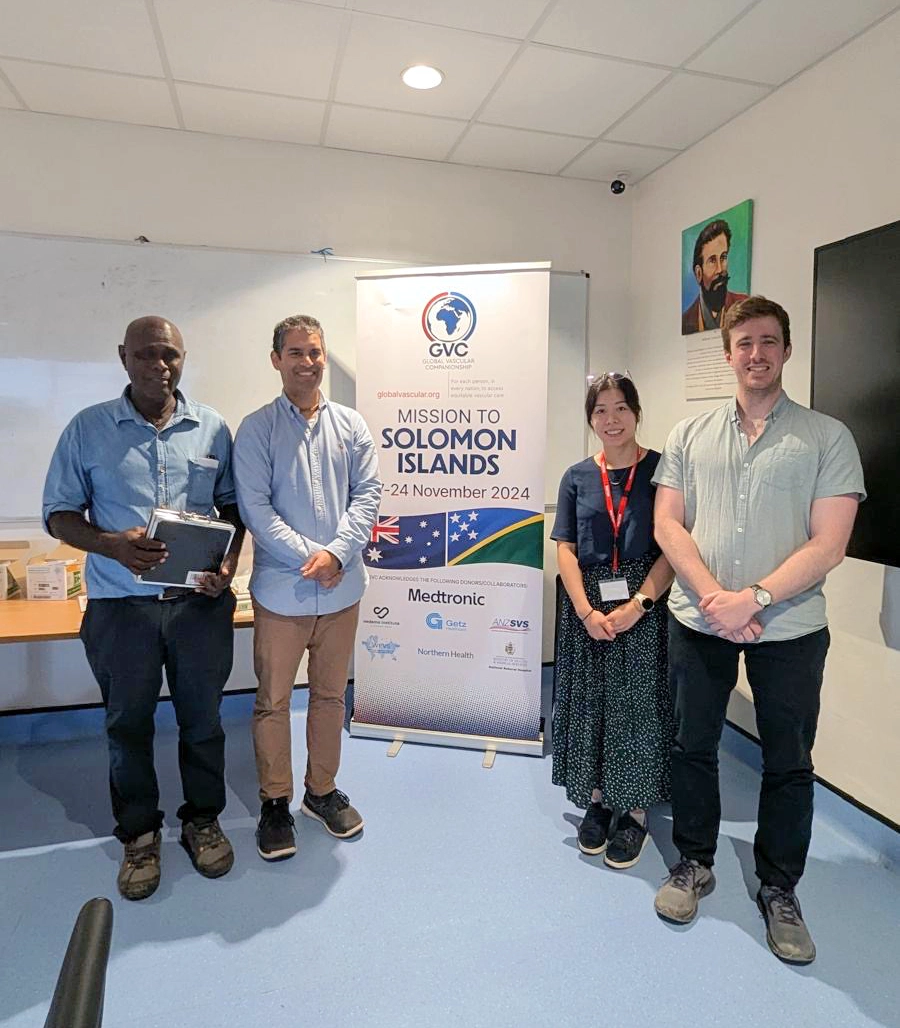
From left to right: Dr. Rooney Jagilly (Head, Department of Surgery, NRH), Dr. Shrikkanth Rangarajan (Vascular and Endovascular Surgeon, Melbourne), Kellie Le (Vascular Podiatrist and Discharge Coordinator, Melbourne), and Tony Crowe (Vascular Sonographer, Melbourne)
The Next Step for Vascular Care in the Solomon Islands
Looking ahead, further development in vascular care will focus on:
- Building a local vascular service
Training a local vascular surgeon to lead and expand vascular surgical services. - Building vascular ultrasound capabilities
With sonographers independently performing arterial, carotid and venous scans. - Optimising inpatient and discharge Pathways
Implement structured diabetic foot care to reduce prolonged hospital stays. - Ensuring a reliable stock of vascular consumables
To support ongoing patient care. - Expanding education for medical staff and the community
To improve awareness of vascular disease and early interventions. - Establishing outcome metrics
To track the impact of vascular care improvements on amputation rates and patient outcomes.
The Global Vascular Companionship remains committed to supporting these efforts—working alongside local healthcare providers to enhance vascular services and patient care.
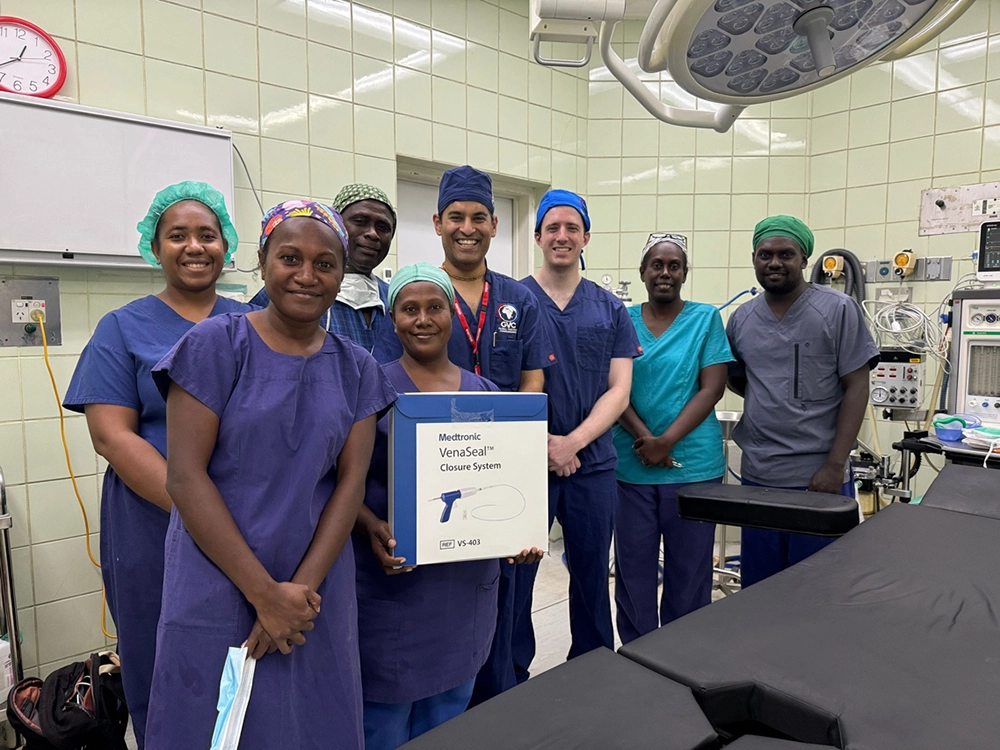
Dr. Rooney Jagilly, Dr. Shrikkanth Rangarajan, Tony Crowe and the theatre scrub team at the National Referral Hospital, Honiara, SI.
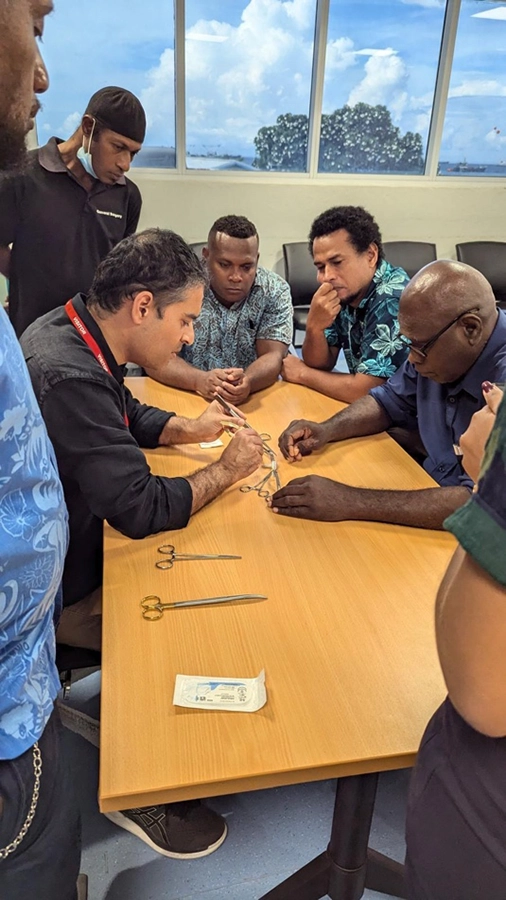
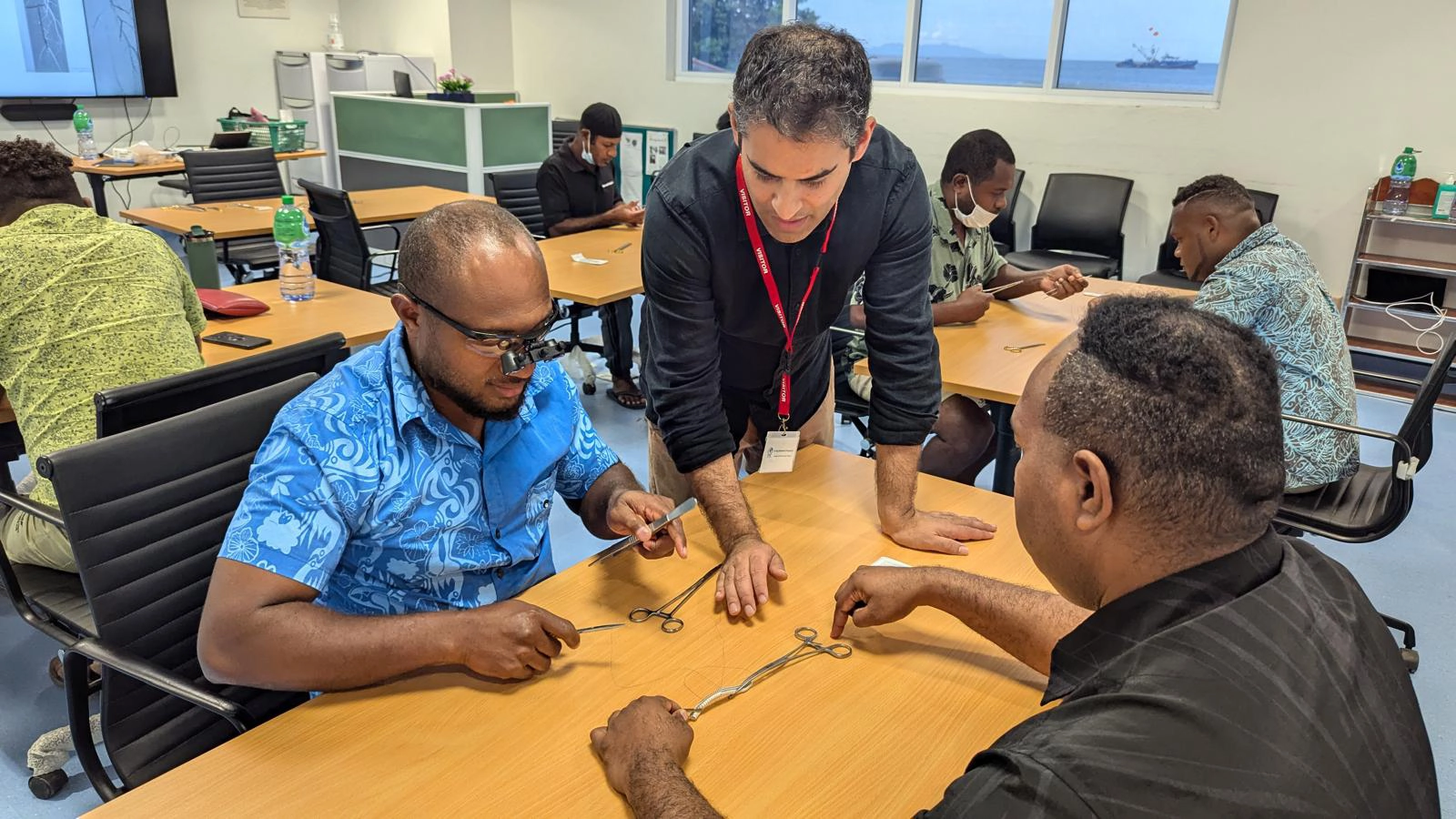
Vascular anastomosis training workshop led by Dr. Shrikkanth Rangarajan, with Dr. Rooney Jagilly and surgical trainees at the NRH
If you can help with our missions/projects, consider donating:
Latest Missions/Projects

Mission to Mongolia
In June 2025, GVC volunteers Dr Vikram Iyer conducted a Vascular Training Workshop in Ulaanbaatar, Mongolia.

Story of Solomon Islands
In November 2024, GVC volunteers Dr Shrikkanth Rangarajan, Kellie Le and Tony Crowe conducted a comprehensive needs assessment and introduced key vascular interventions at NRH.

Story of Fiji
GVC has partnered with local healthcare professionals to support training, multidisciplinary collaboration, and capacity-building initiatives aimed at improving patient outcomes.

Story of Ethiopia
In January 2024, Global Vascular Companionship conducted its first vascular surgery mission at Jimma University Medical Center (JUMC)—a major tertiary hospital serving over 16 million people.

Story of Barbados
In 2017/2018 the Government offered a scholarship for a surgeon to travel overseas and train to become the first vascular surgeon in Barbados.