
Mission to
Mongolia
Vascular Surgery Training Workshop
10-14 June 2025
LEAD SURGEON:
Dr Vikram Iyer
WITH KIND SUPPORT FROM:

Mongolia is a landlocked country in Northeastern Asia, sandwiched between Russia to the north and China to the south. It has a population of 3.5 million, approximately half of whom live in the capital city, Ulaanbaatar. It has a rich traditional culture, with 20-30% of the population retaining a nomadic steppe lifestyle. The national language is Mongolian, written in the Cyrillic script. The Mongol people comprise the overwhelming majority of the population, with a minority of Kazakhs forming 5% of the population (mostly in the far west).
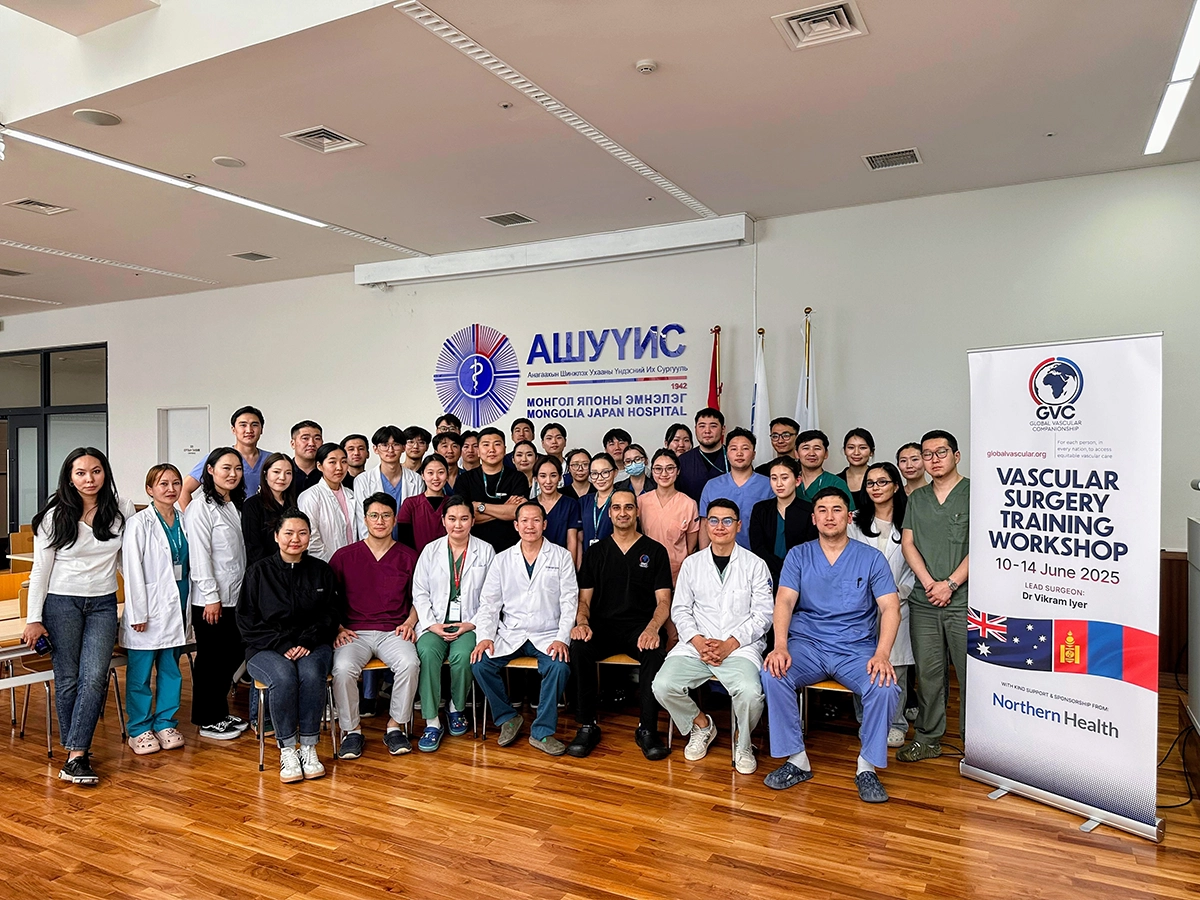
Lecture Series on Contemporary Management of the Diabetic Foot and Vascular Trauma delivered at Mongolian National University of Medical Sciences
Healthcare Facility:
- Mongolia-Japan Hospital of MNUMS (Mongolian National University of Medical Sciences)
- Located in Ulaanbaatar, the capital city.
- Tertiary hospital.
The health care system in Mongolia is stratified into primary care (local doctors and health services), secondary care (regional or provincial hospitals, one for each of Mongolia’s 23 provinces), and tertiary care (major hospitals, all in Ulaanbaatar). There exists a parallel private health care system. The major tertiary hospitals in Ulaanbaatar are all independent of one another and collaboration between hospitals is limited. Each major hospital has its own surgical specialties, e.g. State 1st Hospital is the transplantation and neurosurgical centre, State 2nd Hospital is the major laparoscopic centre, State 3rd Hospital is the cardiothoracic and vascular centre, National Cancer Hospital is the major surgical oncology centre etc. MJH aims to incorporate all of these fields into one university / teaching centre.
MJH is the largest teaching hospital in Mongolia with more than 100 acute beds and plans to expand up to 350 beds in 2027. There are almost 300 doctors working in the MJH system at any time. MJH incorporates the following units:
- Emergency Department
- Orthopaedic Surgery
- Ophthalmology
- Anaesthesia
- General Surgery (including Hepatopancreatobiliary, Gastrointestinal, Urology, Proctology)
- Obstetrics and Gynaecology
- Internal Medicine
- Cardiology
- Gastroenterology
- Endocrinology
- Paediatrics
- Paediatric Surgery
- Nephrology
- Intensive Care Unit
- Endoscopy
- Radiology (including Interventional Radiology)
- Pathology
- Haematology
- Others
Organisational Strengths
Leadership
MJH has strong leadership and the vision to become the referral centre for complex cases even from the other tertiary centres in Mongolia, as well as being the sole provider of specialist training to Mongolian doctors-in-training.
Teaching
MJH is the only university teaching hospital and so takes registrars / residents and fellows from other hospitals to be trained in advanced surgical techniques. The consultants working at MJH almost all have travelled internationally themselves for advanced fellowships.
Skills Advancement
MJH has established collaborations with Japanese, Korean, Australian and American hospitals and universities for ongoing professional development and advancement of skills to ensure that they can provide modern medical services to the people of Mongolia.
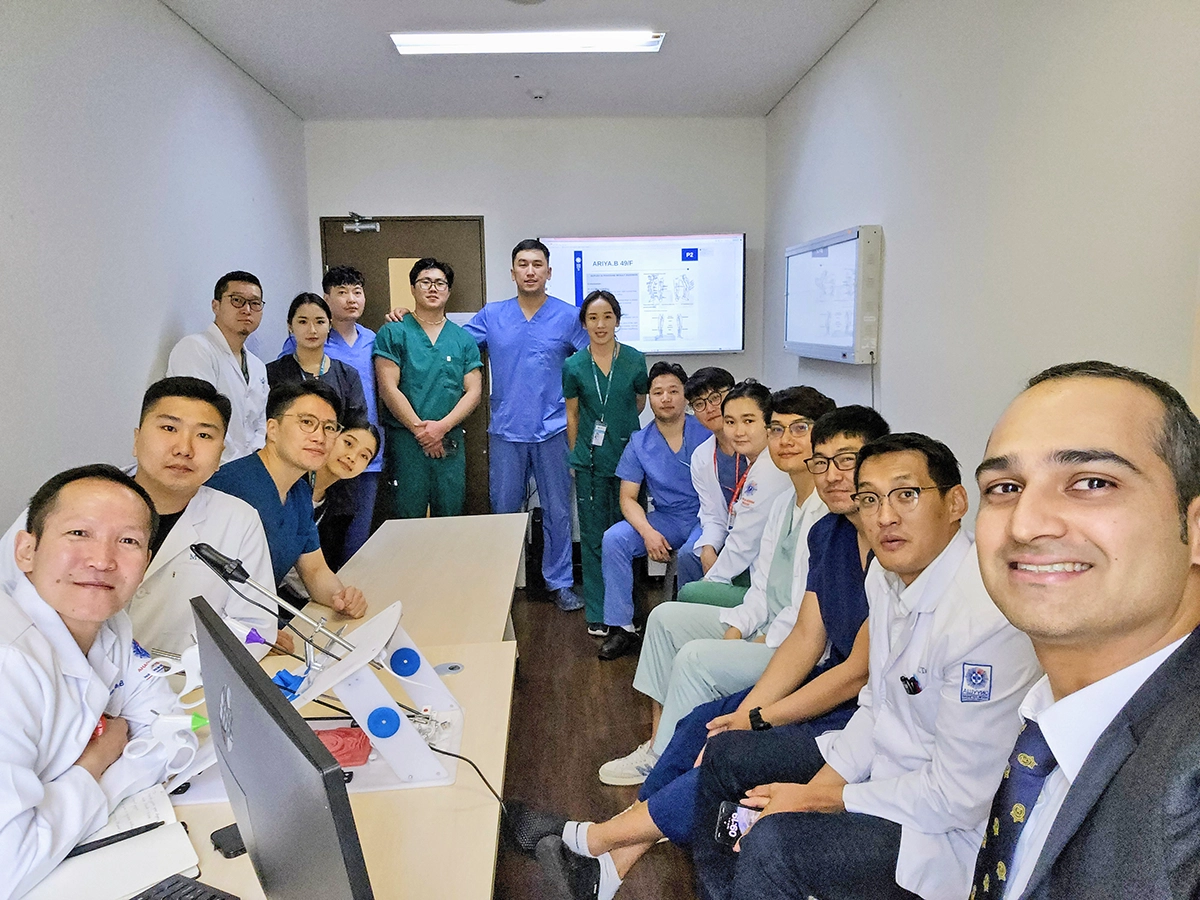
Surgical MDT at Mongolia-Japan Hospital with consultants and trainees. Vik provided opinions for some vascular cases and plans for operations later in the mission
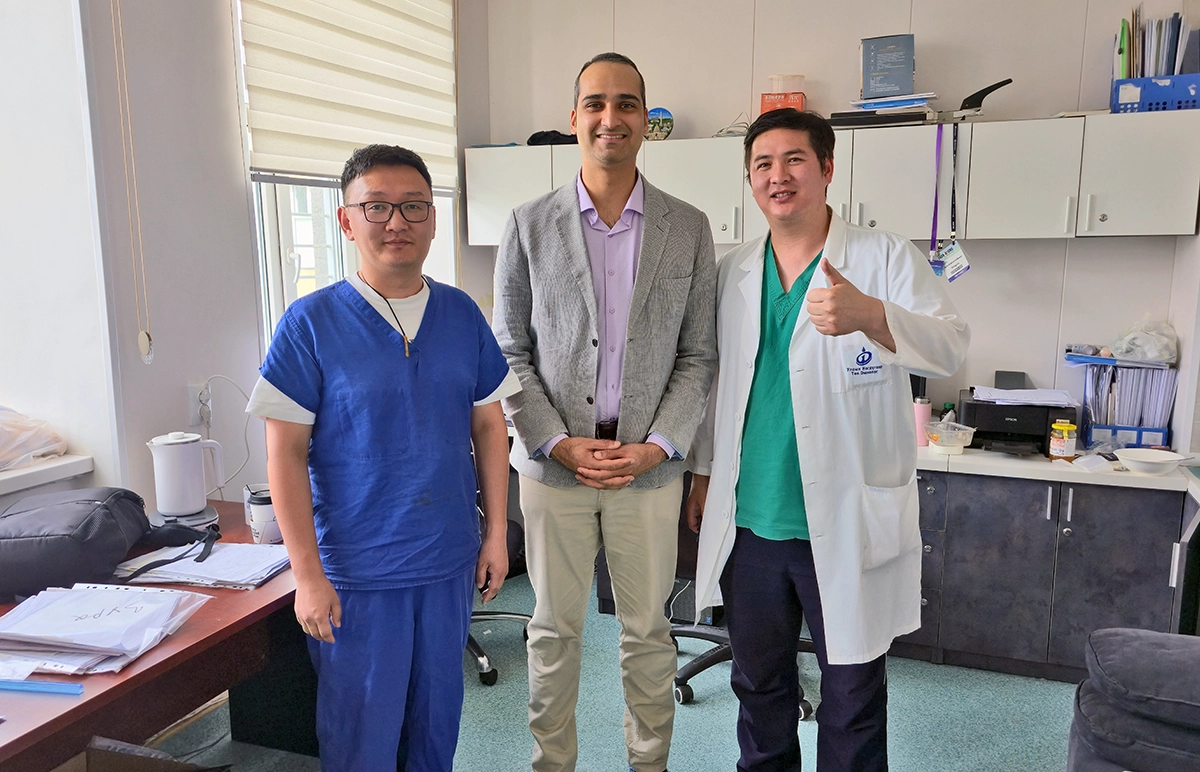
Vascular MDT at State 1st Hospital with Cardiologists and Cardiovascular Surgeons. Vik reviewed some historical and current ward cases.
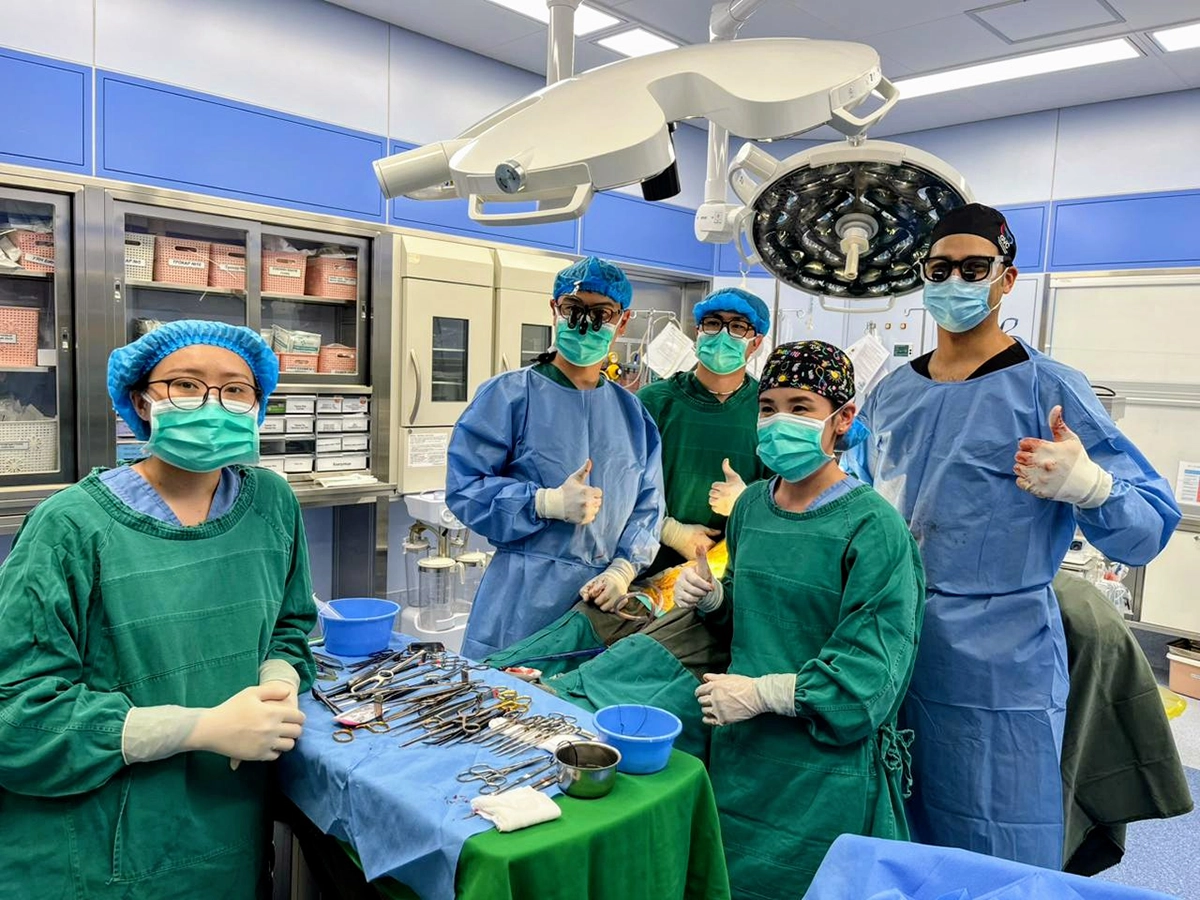
Vik performing an iliofemoral bypass with Dr Altanzul, a Mongolian Cardiovascular Surgeon.
Latest Missions/Projects

Mission to Mongolia
In June 2025, GVC volunteers Dr Vikram Iyer conducted a Vascular Training Workshop in Ulaanbaatar, Mongolia.

Story of Solomon Islands
In November 2024, GVC volunteers Dr Shrikkanth Rangarajan, Kellie Le and Tony Crowe conducted a comprehensive needs assessment and introduced key vascular interventions at NRH.

Story of Fiji
GVC has partnered with local healthcare professionals to support training, multidisciplinary collaboration, and capacity-building initiatives aimed at improving patient outcomes.

Story of Ethiopia
In January 2024, Global Vascular Companionship conducted its first vascular surgery mission at Jimma University Medical Center (JUMC)—a major tertiary hospital serving over 16 million people.

Story of Barbados
In 2017/2018 the Government offered a scholarship for a surgeon to travel overseas and train to become the first vascular surgeon in Barbados.